Politics vs. Love: You Disagree—Now What? Here’s A Game-Changer.
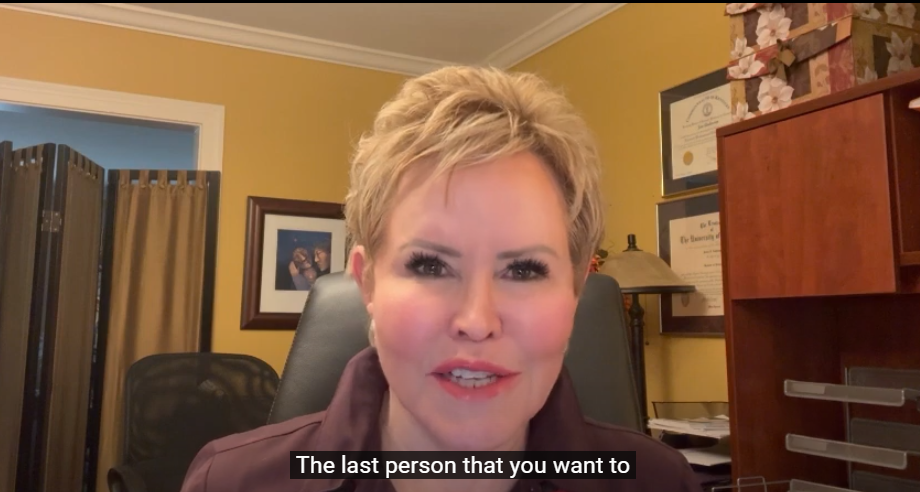
The last person you want to have political differences with is the person you share a bed with.
Trust me, I know.
In Love and Politics: How Successful Couples Manage Their Differences I outlined my struggles with loving someone who is my polar opposite politically. I recommend you read the whole article, but here’s the gist of it: It ain’t easy.
Political polarization is painful and can be poisonous to your relationships. It can ignite explosive conflict, create emotional distance, and even threaten the foundation of your relationship.
Families, even close ones, are more vulnerable to political polarization than ever before. A recent Harris poll found that one in two adults are estranged from a close relative, with politics being the primary cause in about 40% of cases.
Here’s a likely contributor: People today feel freer to treat those with differing political views with ridicule, contempt, and even aggression, according to a recent Stanford study.
Nevertheless, the poll noted that most family members estranged over politics are deeply distressed and long for reconciliation.
But how?
What if I told you that your relationship can strengthen not because you agree on everything but because you can learn to disagree better?

A House Divided—but Not Broken
Navigating the treacherous terrain of political differences was the last thing I expected when I walked down the aisle with my husband over fifteen years ago.
When his political views emerged after we married, I was completely apolitical and unprepared for the FGO (Freaking Growth Opportunity) that lay ahead of me.
The journey has been long, difficult, and very messy. And meaningful.
Whenever my husband and I recover from an inevitable political clash, I feel more confident in our ability to navigate conflict and come out on the other side more connected (or at least less disconnected) and more understanding of one another.
My life experiences have always served as a crucible for informing, shaping, and strengthening my professional work. What I’ve learned on this journey is particularly potent, and I’m eager to share it with estranged family members and couples in conflict.
In-the-Moment Strategies for Staying in Control: Feelings First, Solutions Second.
In my search for solutions, I’ve developed a strategic combination of neuroscience-based insights, emotion-regulation practices, and practical conflict-resolution skills to help bridge the divide.
If political discussions with your loved ones often spiral out of control, here’s a two-step strategy to help you regain control and foster healthier conversations.

STEP 1:
FEELINGS FIRST
When emotions run high, your rational brain takes a backseat.
Instead of trying to reason with yourself or your partner mid-conflict, start with self-regulation techniques based on Dr. Kristin Neff’s research on self-compassion:
1️⃣Acknowledge the Pain: “This feels awful. I hate this.”
2️⃣Recognize Your Common Humanity: “I’m not alone. Others have felt this too.”
3️⃣Do Something Quickly to Help Yourself Reset: Take a deep breath, grab a sip of water, or look away for a moment.
If a quick fix doesn’t work, you may need more time. When you’re emotionally flooded, your body needs at least 20 minutes to physiologically calm down. Get good at reading your own physical and emotional arousal level, so you give yourself the time and distance you need before re-engaging. This is how you take charge of your emotions—not by judging or suppressing them, but by working with them. Once your emotions settle, your brain's rational, problem-solving, pro-social part comes back online. The goal is to respond, not overreact or shut down.
STEP 2: SOLUTIONS SECOND

Solution #1: Don’t Try to Solve the Problem.
Learn to Manage the Problem.
Have you ever felt blissfully at one with your partner— only to wake up the next day wondering if they’re from another planet? That’s the paradox of relationships.
Marriage researcher John Gottman discovered that nearly two-thirds of relationship conflicts are "perpetual," stemming from deep-seated values and personality differences (for example, introvert versus extrovert, night owl versus early bird). Political disagreements often fall into this category.
Good news: According to Gottman's research, relationships don’t require agreement to thrive. Your relationship thrives when you learn how to disagree better.
Rather than forcing a solution, tap into mutual respect and healthy conflict-resolution strategies to find a middle ground that doesn’t feel like a lose-lose.
At times, the tension over a recent presidential election grew so intense that we weren’t sure our marriage would survive the ferocity of our opposing views.
I credit my husband with negotiating a middle ground: Instead of voting for a presidential candidate, we both agreed to vote down-ballot only.
That solution wouldn’t work for everyone, but it worked for us.
Some of my clients found more success with the opposite approach. Even though they vehemently disagreed, both partners felt the need to support each other’s right to vote.
The key is to honor both partners’ emotional boundaries. How you feel about the approach determines its success.
We each gave up something. Was it disappointing? Yes. Did it feel lose-lose? No. Was it worth it? Absolutely.

Solution #2: Setting Boundaries That De-Escalate the Conflict.
We’re learning that not every political issue has to be a battleground. Saying “what everybody else is thinking but afraid to say” may play well on political talk shows, but it can tank your marriage’s Nielsen ratings.
Some things are better left unspoken, not out of avoidance but out of respect for each other’s emotional well-being.
Know your limits – Some topics aren’t worth the emotional toll. It’s okay to walk away.
Solution #3: Use Both/And Thinking to Bridge Differences.
Even though the current political divide across the country has deepened, the frequency, duration, and intensity of the political dustups in our marriage have decreased.
We have not changed our political beliefs or the passion with which we hold them.
So, what changed? Both/And Thinking is a game-changer when it comes to navigating differences. It’s like a Jedi mind trick that helps you recognize how seemingly opposing perspectives can both hold truth and have value.
This mindset shift expands your ability to see the validity and potential in all sides of an issue—fueling creative problem-solving rather than limiting choices.
Instead of feeling trapped in an Either/Or Dilemma, you’re free to explore a “third way”—a solution that integrates the best elements of both perspectives.
This approach doesn’t just resolve conflict; it unlocks new possibilities that wouldn’t exist in a black-and-white framework.
Both/And Thinking forms new neural pathways in the brain. Practice will groove those pathways and make this way of thinking easier and more natural.
By working with your brain—not against it—you can stay in the driver’s seat, navigate intense emotions, and engage in problem-solving. The goal isn’t just to calm down. It’s to stay in control and at the table when it matters most.

Remember These Tips:
If political debates keep leading to conflict, here’s what helps:
✅ Feelings First, Solutions Second – When emotions run high, don’t try to debate—reset your emotions first, talk second.
✅ Manage the Problem, Not Solve It – Some differences in opinion never get “solved.” Focus on compromise that doesn’t feel like lose/lose to both of you.
✅ Use Both/And Thinking – It’s not about winning—instead of viewing the issue as “right vs. wrong,” explore where both perspectives might hold truth.
Political differences don’t have to divide your relationship. By learning to self-regulate, set boundaries, and find the middle ground, you can move forward—together.
Need more support? I offer personalized guidance for couples and estranged families navigating political tension.
Life is too short to live in a political divide from the people you care about most.
Trust me, I know.
